

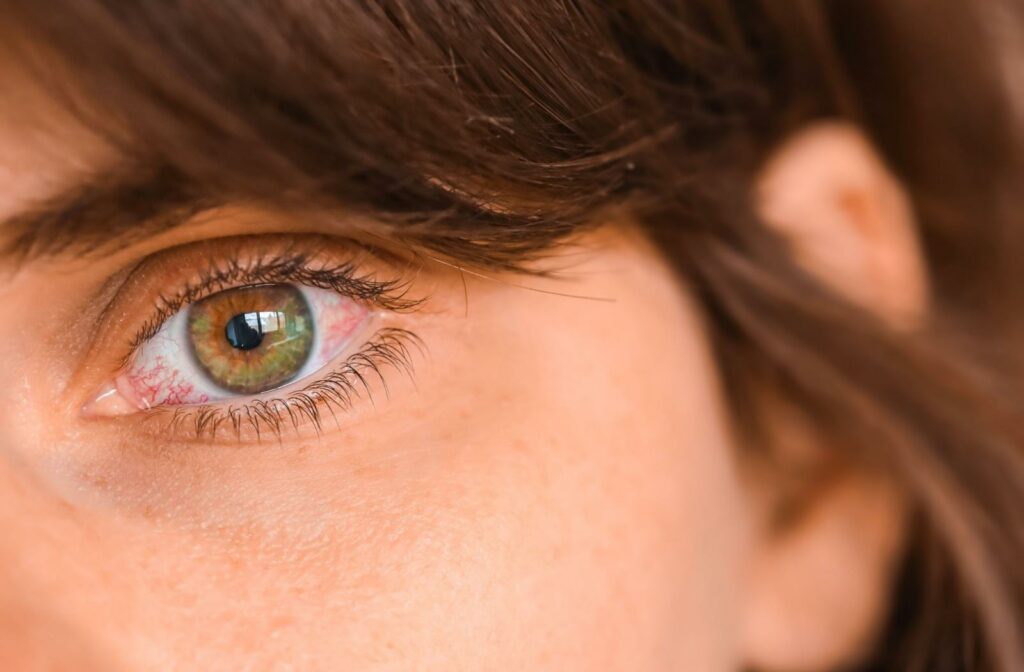
That gritty, sandy feeling in your eyes can make it hard to focus on your day. Our team at Pro-Optix Optometry & Dry Eye Center understands you might find yourself blinking constantly, trying to clear your vision, only for the discomfort to return moments later. This persistent irritation can turn simple tasks like reading an email or driving into a frustrating challenge.
Common symptoms of dry eye often include:
- Burning or stinging sensations
- Redness
- Blurry vision
- Gritty, scratchy eyes
- Light sensitivity
- Stringy mucus
- Watery eyes
While many temporary fixes exist, finding a way to handle these symptoms long-term is key to your comfort. Dry eye is a condition you can manage effectively with a consistent and personalized dry eye therapy plan.
What Dry Eye Feels Like
When your eyes don’t produce enough quality tears, you may experience a range of uncomfortable sensations. For many people, these symptoms are most noticeable when they first wake up, but they can distract you throughout the day.
- A stinging, burning, or gritty feeling
- Redness or a sense of fatigue
- Blurry vision that changes after you blink
- Light sensitivity
- Stringy mucus
- Watery eyes
Dry Eye or Allergies?
It can be tricky to tell what’s causing your eye irritation, especially since some symptoms feel similar. However, a few key differences can help you distinguish between the 2 conditions.
Key Differences to Notice
A constant, overwhelming itchiness often points toward allergies. You might also notice other signs, like a runny nose or sneezing, that often accompany the eye discomfort.
On the other hand, if your eyes feel gritty or sandy, as if something is stuck in them, you are more likely dealing with dry eye. This sensation comes from a lack of proper lubrication on the surface of your eye.
When Symptoms Overlap
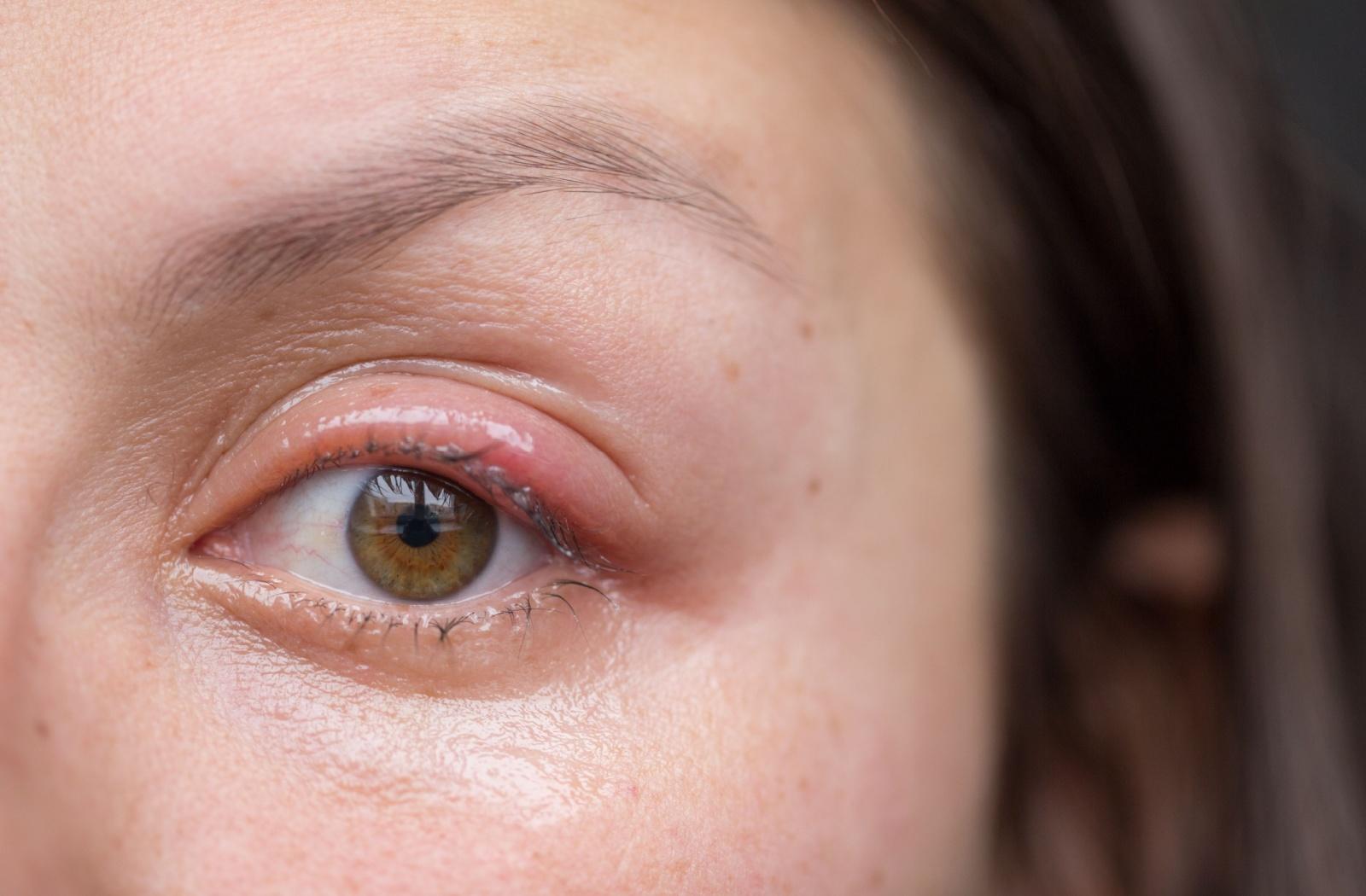
Sometimes, it’s not a simple case of one or the other. It’s possible to have both dry eye and allergies at the same time, and other conditions like ocular rosacea or blepharitis can also cause similar irritation.
What Contributes to Dry Eye?
Several elements in your daily life and changes within your body can affect your tear production. Understanding these factors can help you connect your symptoms to your routine.
Environmental and Lifestyle Factors
Your work environment and daily habits can play a significant role. Staring at a computer screen for long stretches often leads to less frequent blinking, a common cause of digital eye strain. This prolonged screen time, sometimes called computer vision syndrome, can dry out your eyes and cause discomfort. Other environmental factors, such as dry air, wind, or air conditioning, may also worsen symptoms.
Health and Body Changes
Natural changes that happen with age can reduce tear production. Hormonal shifts, particularly during perimenopause and menopause, are a common cause of increased dryness. Certain medications can also contribute, most notably acne treatments like Accutane, along with some antihistamines, antidepressants, and blood pressure medications.
In addition, some underlying health conditions may affect your eyes’ ability to stay lubricated. Autoimmune disorders, such as Sjögren’s syndrome, rheumatoid arthritis, and lupus, can be linked to some cases of dry eye symptoms.
How to Manage Dry Eye Symptoms
Finding lasting relief involves a combination of at-home adjustments and professional support. A personalized approach can help you address your specific symptoms and improve your eye comfort.
Professional Care Options
A professionally tailored eye care plan can make a difference. In-office therapies can provide longer-lasting relief. These may include intense pulsed light (IPL), radiofrequency (RF) treatments such as OptiLift, and low-level light therapy (LLLT), all of which are designed to support the function of the eyelid glands and improve tear stability.
In some cases, your eye care provider may also recommend prescription eye drops to help reduce inflammation and improve tear production. Another option is punctal plugs, which are small devices inserted into the tear ducts to help retain moisture on the surface of the eye.
Professional guidance on lid hygiene and ongoing care is often part of a comprehensive treatment plan. The right approach is always personalized to your symptoms, eye health, and lifestyle.
At-Home Care and Adjustments
In addition to professional care, you can take some simple steps at home to find relief throughout the day. Using preservative-free artificial tears can help add moisture. Taking frequent breaks from your digital screens gives your eyes a rest, and running a humidifier in your office or home can add moisture to the air.
Additional supportive measures include warm compresses to help support the oil glands in your eyelids, regular lid hygiene to keep the eyelid margins clean, and incorporating omega-3 fatty acids into your diet, which may help improve tear quality.
The Importance of Consistent Eye Care
Dry eye is often a long-term condition that you manage rather than cure. Working with an eye care team helps you stay on top of your symptoms for better comfort and health.
Why a Professional Diagnosis Matters
A comprehensive eye exam gives a clear picture of what’s happening with your tear film and overall eye health. This allows for a care plan that is specific to you. It also helps rule out other conditions that might be contributing to your discomfort, helping detect hundreds of health issues.
Long-Term Comfort and Vision Health
Consistent care is the key to managing a chronic condition like dry eye. With a dedicated plan, you can support your long-term vision health and improve your quality of life, letting you focus on your work and family without constant irritation.
Find Relief Today
Our team at Pro-Optix Optometry & Dry Eye Center is dedicated to helping you find lasting relief from dry eye symptoms. Schedule an appointment to discuss a personalized plan that fits your vision and your lifestyle.