

Key Takeaways
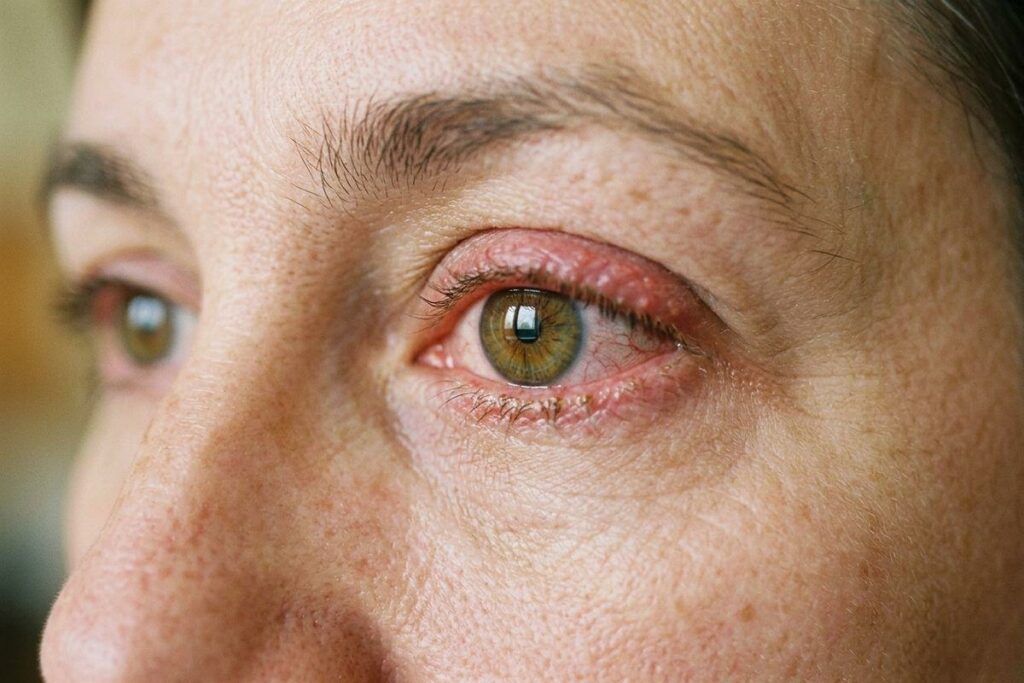
- Ocular rosacea is long-term inflammation on the eye surface, often linked to skin rosacea.
- Common signs include redness, burning, dryness, and a gritty feeling.
- Daily habits like warm compresses and preservative-free tears can help calm symptoms.
- In-office treatments can be an effective way to manage ocular rosacea.
- A care plan from optometrists in Houston can help you find lasting comfort.
What Is Ocular Rosacea?
If your eyes feel sore by the afternoon and no amount of blinking seems to help, your discomfort might be caused by ocular rosacea. This is a long-term inflammation that settles on the surface of your eyes and along your eyelids. Our team at Pro-Optix Optometry and Dry Eye Center can help you spot the signs and find relief.
Ocular rosacea treatment works by calming inflammation, clearing blocked oil glands, and steadying your tear film so that your eyes feel comfortable for longer.
This condition often shows up alongside skin rosacea, the redness and flushing many people notice on their cheeks and nose. When rosacea reaches the eyes, it can affect the tiny glands in your eyelids that keep your tears smooth and balanced. Over time, that imbalance can leave your eyes feeling dry and irritated. However, ocular rosacea can also develop on its own, without any noticeable facial rosacea, which can make it more difficult to recognize.
Common Signs and Symptoms
The discomfort caused by rosacea can come and go, which makes it easy to brush off. Still, a few symptoms tend to be common:
- Redness, burning, or a stinging feeling across the eye surface.
- Dryness paired with a gritty sensation, like sand caught under your lid.
- Light sensitivity and brief moments of blurry vision.
What Contributes to Ocular Rosacea?
Underlying Factors
While the causes of ocular rosacea aren’t fully understood, common explanations includes changes in your immune response and blood vessels, genetics, and tiny eyelash mites that live near the lash line.
What Worsens Symptoms
Certain behaviors and environmental factors can make the symptoms of rosacea worse. These include:
- Sun, wind, and warm climates.
- Stress
- Spicy foods.
- Alcohol
- Heavy exercise
Everyday Care and Medication Options
At-Home Habits
Small daily steps can make a real difference. A warm compress held over closed eyes for a few minutes can help manage symptoms, while eyelid cleaning can then clear away buildup along the lash line.
Preservative-free artificial tears can add moisture to your eyes to sooth irritation. Omega-3 supplements and other natural remedies for dry eyes may also support healthier oil in your tear film, though it helps to ask your care team before adding these to your routine.

Prescription Help
When home care isn’t enough, your eye doctor can suggest stronger options. For instance, steroid drops can help reduce swelling on the eye surface. For stubborn cases, oral medication may be helpful.
Intense Pulsed Light (IPL) Therapy
Intense pulsed light therapy sends gentle pulses of light to the skin around your eyes. When combined with meibomian gland expression, this treatment has been shown to reduce symptoms of ocular rosacea many patients.
Low-Level Light Therapy (LLLT)
Low-Level Light Therapy (LLLT) is another in-office treatment that may help manage ocular rosacea symptoms. Using gentle LED light, LLLT is designed to reduce inflammation and support healthier meibomian gland function, helping improve the quality of the tear film. Some patients receive LLLT on its own, while others benefit from combining it with IPL as part of a personalized dry eye treatment plan.
When to See Optometrists in Houston
Leaving ocular rosacea unaddressed just lets the irritation build. Ongoing inflammation may also affect your comfort while you read, drive, or work at a screen.
As your optometrists in Houston, we can build a personalized therapy plan around your symptoms, your habits, and what worsens them. That plan often includes follow-up visits we can adjust your routine as your eyes respond.
Coping with the symptoms of rosacea alone can wear you down, but our team at Pro-Optix Optometry and Dry Eye Center is here to help. Schedule your visit today and take the first step towards more comfortable vision.